UK's Remote Gaming Duty Jumps to 40%: Operators Face Squeeze as Black Market Looms Large
Written by Lars Flores · Apr 3, 2026

UK's Remote Gaming Duty Jumps to 40%: Operators Face Squeeze as Black Market Looms Large
Unpacking the Autumn Budget Move
The UK government, through Chancellor Rachel Reeves' Autumn Budget, has pushed the Remote Gaming Duty on online casino revenue from 21% up to 40%, a change set to kick in on April 1, 2026; this sharp increase targets remote gaming activities, where operators currently pay tax on their gross gambling yield from digital casino games. Data from the budget documents shows this adjustment aims to align taxation more closely with broader fiscal goals, yet it lands amid a regulated industry already navigating tight margins and rising compliance costs. Observers note that the duty, which applies specifically to online slots, table games, and similar offerings, now stands as one of Europe's steeper rates, although countries like several EU peers maintain varying structures that blend point-of-consumption levies with operator-specific burdens.
But here's the thing: licensed operators, who foot the bill on UK-facing revenue regardless of where servers sit, now stare down a near-doubling of their tax load; take one mid-sized online casino group, which reported pre-hike margins hovering around 5-7% after all costs, and suddenly that buffer evaporates under the new 40% regime. Figures reveal the remote gaming sector contributed over £4 billion in duties last year alone, but with this hike, the Treasury stands to pocket significantly more—provided punters don't bolt for offshore alternatives.
BGC Sounds the Alarm on Operator Strain
The Betting and Gaming Council (BGC), representing major players in the UK's gambling landscape, has led the charge against the hike, warning that financial pressures will ripple through licensed operations; spokespeople highlight how the jump from 21% threatens shop closures, especially for land-based betting outlets that cross-subsidize from online arms. And while the duty targets remote casino revenue specifically, BGC data points to interconnected effects, where online shortfalls could force cuts in high-street promotions or even shutter dozens of venues already operating on thin ice.
What's interesting is the detail on promotions: operators often use free bets and bonuses to lure players, but tax hikes eat into those budgets first, since duties apply before such incentives; one BGC analysis estimates a 20-30% drop in marketing spend, which could quiet the buzz around major events like football finals or Cheltenham. Those who've studied the sector know that reduced offers don't just hit wallets—they drive punters toward unregulated sites promising juicier deals, a shift that's already underway with billions wagered illegally each year.
Black Market Surge: The Hidden Cost
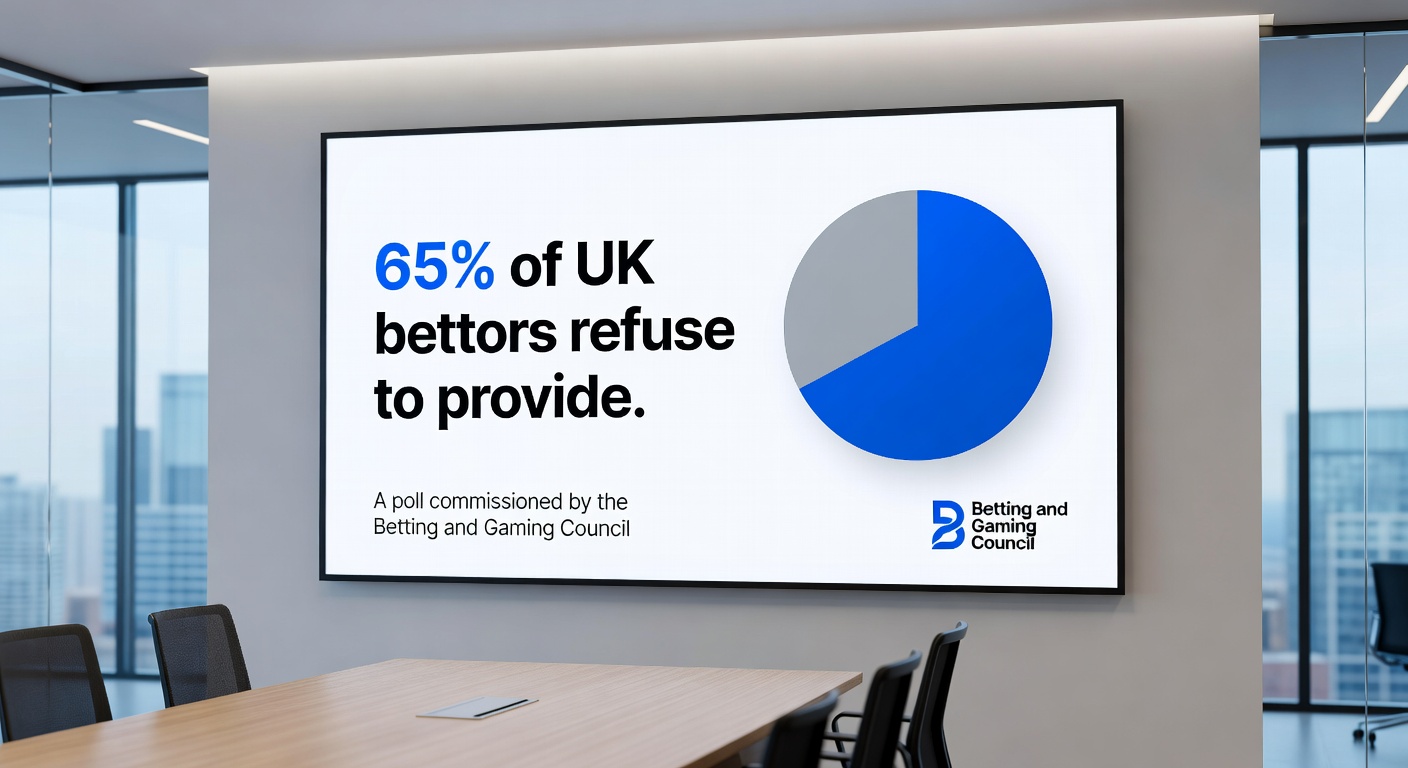
Turns out, the real wildcard here is the black market, where BGC figures peg annual stakes at billions on unlicensed platforms; these sites, often based offshore and dodging UK oversight, offer better odds because they skip taxes altogether, pulling in frustrated punters squeezed by rising costs on legit channels. Industry leaders point to a familiar pattern—similar hikes in places like Italy saw regulated market share dip by 10-15% within two years, as players chased value elsewhere, according to reports from US-based gaming associations tracking global parallels.
Experts have observed how this plays out: a punter logs on, sees slimmer payouts post-tax, and one click lands them on a shadowy operator with no age checks or problem gambling tools; the BGC underscores that such platforms erode the £10 billion-plus economic footprint of the regulated industry, including jobs at tracks, shops, and tech firms. And since enforcement struggles against VPN-savvy users, the writing's on the wall—April 2026 could mark a tipping point where illegal volumes swell, undermining the very revenue streams the Treasury seeks to tap.
Take the case of one recent enforcement sweep, where authorities seized assets from networks laundering black market proceeds through crypto; yet despite such efforts, data indicates underground activity outpaces crackdowns, with operators like those flagged in BGC alerts thriving on the tax disparity. People often find that when duties climb this steeply, the ball's in punters' court, and many opt for the unregulated path, especially casual players chasing weekend thrills without the regulatory strings.
Economic Ripples and Broader Contributions
Now, consider the regulated market's heft: it pumps billions into the economy via duties, VAT, corporation tax, and wages for over 100,000 workers; BGC tallies show levy contributions topping £3 billion annually, funding everything from horseracing prize money to community sports programs. But with the 40% duty looming, those flows risk diversion to black market voids, where zero taxes mean zero public good; researchers who've crunched the numbers note that for every £1 shifted offshore, teh UK loses 50p+ in downstream revenue.
It's noteworthy that land-based betting shops, numbering around 6,000, lean on online synergies for survival; closures under tax strain could hollow out high streets, particularly in regions like the North East where gambling outlets anchor local economies. And while the budget frames this as fairer taxation, observers highlight how it disproportionately burdens casino verticals versus sports betting's lighter 15% load, creating uneven competitive ground.
So as 2026 approaches, operators scramble for efficiencies—tech upgrades, player retention tweaks—but many doubt it'll offset the 19-point leap; one study from international trade groups reveals that sustained high duties correlate with 5-10% market contraction, a trend UK stakeholders aim to dodge through lobbying and adaptation.
Gearing Up for April 2026 Implementation
With the clock ticking to April 1, 2026, firms prepare balance sheets for the shock; some pivot toward lower-tax jurisdictions or diversify into non-casino verticals, while others eye mergers to spread costs. BGC pushes for phased rollout or offsets, arguing that abrupt hikes fuel evasion; data from prior adjustments, like the 2014 point-of-consumption shift, showed initial compliance dips before stabilization, but nothing quite matches this scale.
Yet punters, blissfully unaware for now, might wake to leaner apps and bolder offshore ads; those who've watched tax cycles know adaptation happens, but not without pain—shops shutter, promotions thin, and black market ads proliferate on social feeds. Here's where it gets interesting: regulators elsewhere, from Australian states to Canadian provinces, have tweaked duties downward after seeing flight risks, offering a blueprint the UK might eventually heed.
Conclusion
The Remote Gaming Duty's climb to 40% reshapes the UK's online casino scene, pitting Treasury gains against industry fears of closures, slashed promotions, and black market booms; as BGC charts the threats, with billions already lost to illegals, the path to 2026 demands close watch. Operators brace, punters adapt, and the regulated market's integrity hangs in balance—facts on the table show high stakes ahead, where every percentage point sways economic tides and player choices alike.