UK Punters Push Back: 65% Vow No to Sharing Bank Details in Gambling Affordability Checks
Written by Lars Schmitt · Apr 9, 2026

UK Punters Push Back: 65% Vow No to Sharing Bank Details in Gambling Affordability Checks
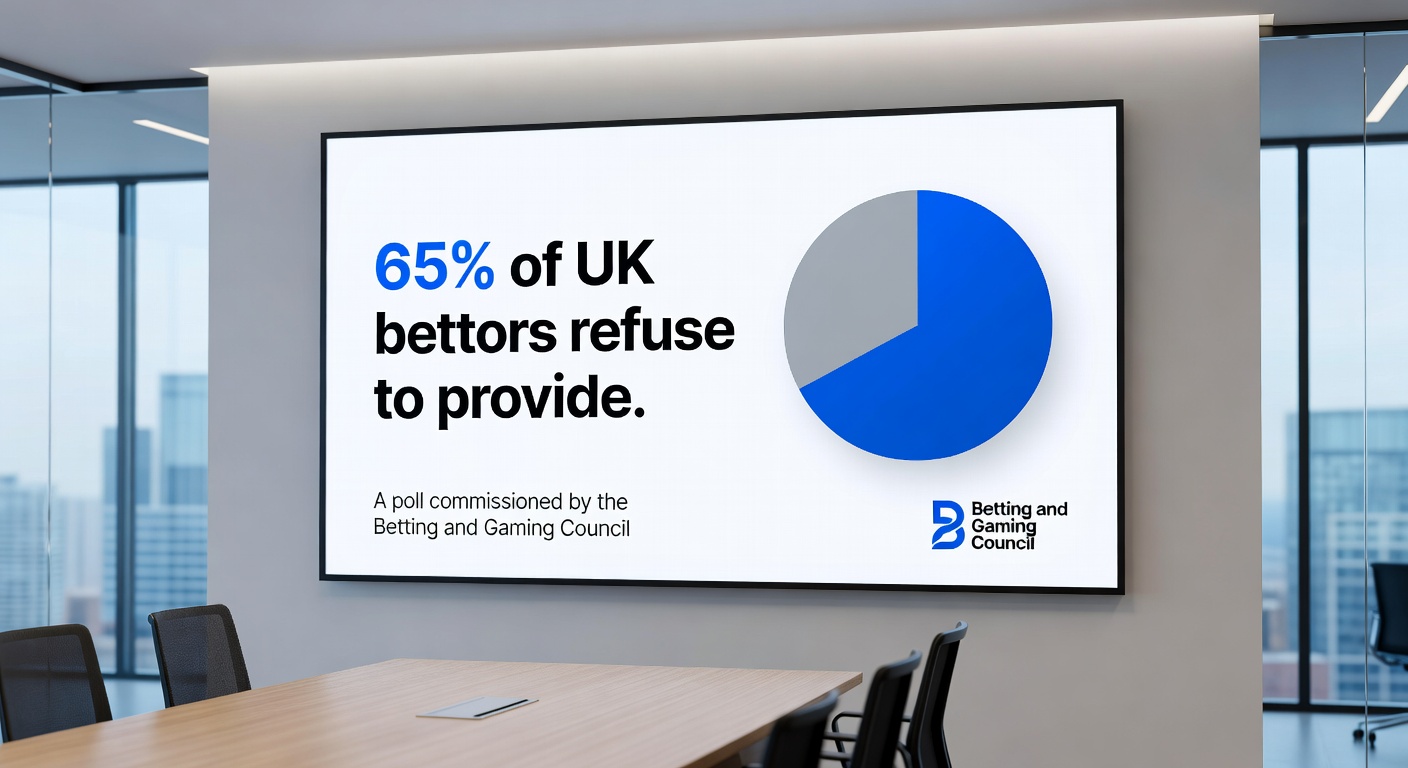
Recent data from a Betting and Gaming Council survey of over 2,000 UK betting customers reveals that nearly two-thirds, precisely 65%, have pledged to withhold financial information like bank statements under the Gambling Commission's proposed online gambling affordability checks; this strong resistance emerges as industry leaders warn that such "mortgage-style" assessments might push punters toward unregulated black market operators, potentially reshaping the landscape of regulated betting in the UK.
What's interesting here is how quickly opposition has mobilized, with figures from the racing sector adding fuel to the fire by penning a letter signed by more than 400 industry stakeholders directed at Culture Secretary Lisa Nandy, urging the Labour government to scrap the policy altogether because it could inflict £250 million in losses on British horse racing and £200 million in tax revenue over the next five years.
The BGC Survey Breakdown: Punters Draw a Line
Conducted amid growing scrutiny over gambling reforms, the Betting and Gaming Council poll captured responses from a broad cross-section of punters, those everyday bettors who frequent online platforms for sports wagers, horse racing flutters, and casino spins; researchers found that 65% categorically refuse to submit sensitive documents such as bank statements or proof of income, viewing these demands as an overreach that invades personal privacy while doing little to curb problem gambling.
And yet, this isn't just anecdotal grumbling—data indicates a clear pattern, where participants expressed frustration over the practicality of handing over financial snapshots to verify how much they can afford to lose on a punt; take one group of respondents who highlighted how such checks mirror mortgage applications, complete with intrusive paperwork that slows down the fun of placing a bet during a live match, something that's become second nature for millions in the UK.
Turns out, the survey's timing aligns with the Gambling Commission's ongoing consultations, set to influence rules potentially rolling out by April 2026, when affordability thresholds might become mandatory for operators; observers note that this backlash underscores a broader tension between player protection measures and the seamless experience punters expect, especially since black market sites—those shadowy offshore platforms—offer no such hurdles, luring wary customers with anonymity and ease.
Racing Stakeholders Rally with a Collective Plea
Separately but tellingly, over 400 figures from the British horse racing community—trainers, owners, jockeys, and track officials—united in a formal letter to Lisa Nandy, laying out stark economic projections tied directly to the proposed checks; they calculate potential hits of £250 million to the sport's coffers over five years, alongside £200 million less in tax revenue flowing to the Treasury, figures that stem from fears of punters fleeing to unregulated alternatives where bets on races like the Grand National or Cheltenham Festival can be placed without financial vetting.
But here's the thing: this isn't hyperbole from the sidelines; industry analysts point to precedents where stringent ID checks already drove segments of the market underground, and now with affordability gates looming, the racing sector sees the writing on the wall, prompting this high-profile intervention that demands a policy rethink before implementation deadlines approach in 2026.
People who've followed these debates often discover parallels in past reforms, like the 2019 stake limits on fixed-odds betting terminals that reshaped high-street bookies while sparking similar exodus concerns; now, as online checks enter the fray, racing leaders argue the ball's in the government's court to balance safeguards against economic fallout.
Unpacking the Proposed Affordability Checks
The Gambling Commission's blueprint for these checks aims to prevent gambling harm by requiring operators to assess a player's disposable income before allowing higher stakes, much like lenders evaluate creditworthiness; in practice, this means punters might need to upload bank statements, payslips, or credit reports to unlock betting limits beyond basic thresholds, a process that's sparked the 65% refusal rate in the BGC's findings.
So, why teh uproar? Data from similar trials in other jurisdictions, such as parts of Europe, shows compliance drops sharply when financial disclosures enter the equation, leading operators to either tighten access or lose customers to rivals without such barriers; UK regulators envision tiered checks—frictionless for low-stakes play but rigorous for big punters—yet the survey reveals most bettors won't play ball, preferring self-managed limits over state-mandated scrutiny.
It's noteworthy that these proposals build on existing tools like deposit caps and reality checks, but the jump to personal financial data marks new territory, one where punters feel the rubber meets the road between protection and privacy; experts who've studied regulatory evolution observe how such measures, if enforced by April 2026, could redefine online betting's accessibility.
Black Market Shadows Loom Large
Industry voices amplify warnings that affordability checks will supercharge the UK's illegal gambling market, already a growing concern as unlicensed operators siphon punters frustrated by red tape; the BGC survey indirectly bolsters this view, since 65% opting out of data-sharing effectively hands business to black market sites that promise unrestricted access without the hassle of bank statement uploads.
Now, consider the racing letter's economic math: £250 million lost to tracks means fewer prize pots, reduced training budgets, and job cuts in an industry employing thousands, while £200 million in vanished tax revenue strains public coffers at a time when government priorities stretch thin; those who've tracked black market trends note how easy it is for tech-savvy bettors to VPN into offshore books, placing wagers on UK races or Premier League matches sans oversight.
And although regulators tout consumer protection, the counterargument gains traction through real-world examples—like Australia's point-of-consumption tax that inadvertently boosted cross-border evasion—suggesting UK punters might follow suit if checks prove too burdensome.
Economic Ripples and Broader Implications
Delving deeper into the figures, the projected £450 million combined hit—to racing and taxes—over five years paints a picture of sector-wide strain, where levy-funded tracks and operator contributions dwindle as regulated punters dwindle; researchers examining gambling economics highlight how affordability friction could accelerate a shift already underway, with mobile betting apps facing stiffer competition from unregulated apps that skip verification entirely.
Yet, the survey's 2,000+ respondents represent a snapshot of mainstream punters, those weekend warriors and casual flutterers who balk at mortgage-like hoops for a £20 accumulator; one case from the data shows clusters of horse racing fans, particularly, drawing lines at financial disclosures, fearing data breaches or endless paperwork that kills the spontaneity of a pre-race bet.
What's significant is the cross-industry solidarity, from BGC polling to racing's letter, signaling a pivotal moment as consultations wrap toward 2026 enforcement; observers who've seen policy pivots before—like stake cap dilutions after backlash—wonder if Nandy's desk holds the key to compromise.
Conclusion: A Tipping Point for UK Gambling Reforms
As the Gambling Commission refines its affordability framework amid this vocal revolt—65% survey refusal rates, racing's £450 million loss projections, black market boogeyman looming—stakeholders await signals from Lisa Nandy's office on whether tweaks or total abandonment lies ahead; data underscores the tightrope, balancing harm prevention against market integrity, especially with April 2026 deadlines casting a long shadow.
In the end, punters' firm stance, backed by industry math, spotlights where good intentions meet practical pushback, leaving regulators to navigate a path that keeps betting vibrant, legal, and responsibly accessible without driving the crowd underground.