UK Bettors Dig in Heels Against Affordability Checks as Poll Reveals Black Market Risks
Written by Blake Schmitz · Apr 11, 2026

UK Bettors Dig in Heels Against Affordability Checks as Poll Reveals Black Market Risks
Poll Exposes Bettor Resistance to Financial Scrutiny
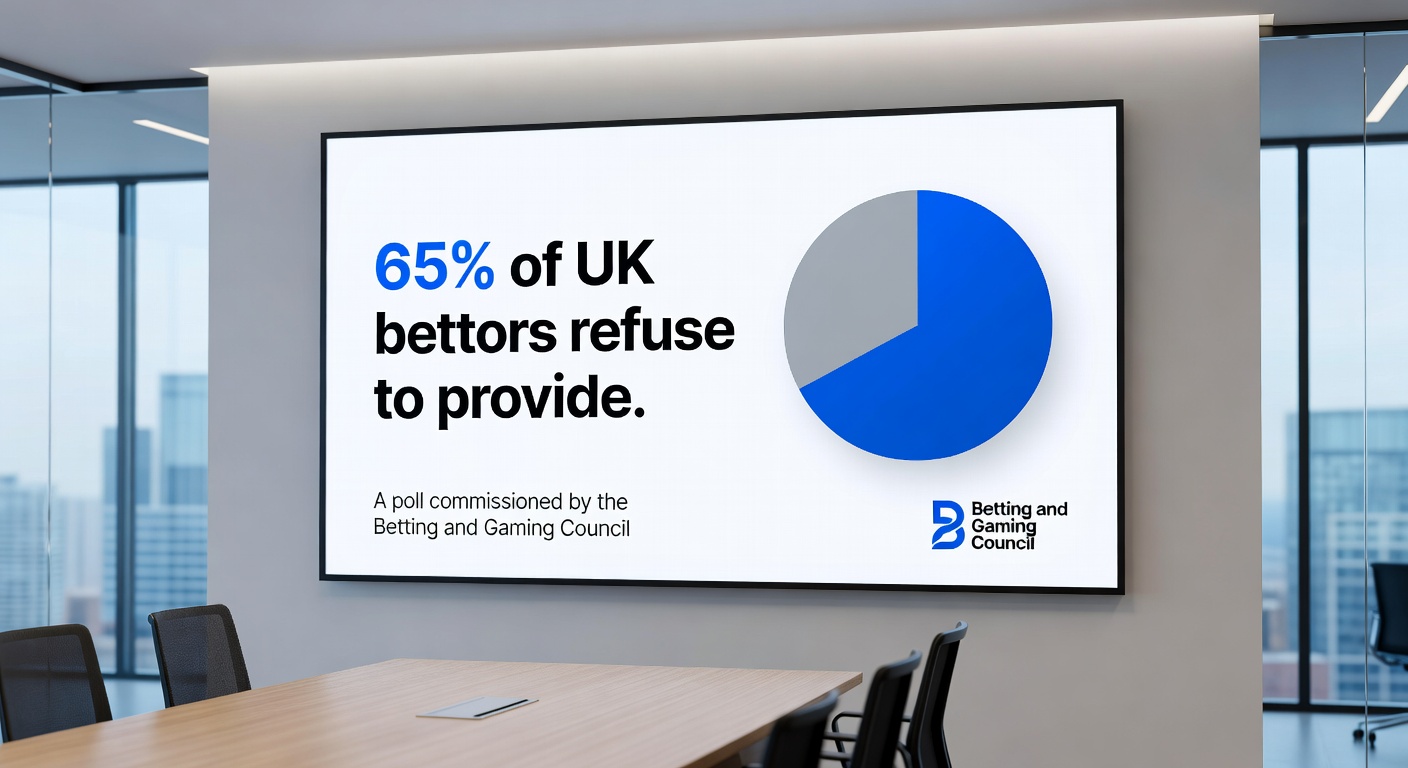
A recent poll commissioned by the Betting and Gaming Council (BGC) uncovers stark opposition among UK bettors toward proposed affordability checks, with 65% stating they refuse to hand over personal financial documents like bank statements or payslips; this resistance highlights potential cracks in the government's gambling reform plans, as participants worry about privacy invasions that could drive them straight into unregulated shadows.
Turns out, those surveyed didn't mince words, emphasizing how such demands feel like overreach, especially when everyday punters just want to place bets without turning their wallets inside out for regulators; data from the poll, drawn from a representative sample of active bettors, paints a clear picture of widespread reluctance, suggesting that enforcement might backfire spectacularly by alienating the very customers the measures aim to protect.
And here's where it gets interesting: experts who've tracked gambling behaviors note that similar checks in other markets have already nudged players toward offshore sites, where safeguards vanish and risks skyrocket; in the UK context, this poll serves as a wake-up call, revealing not just numbers but a mindset shift among bettors who value convenience over compelled transparency.
Racing Industry Mobilizes with Open Letter Onslaught
Over 408 figures from the British racing industry didn't sit idly by, banding together to sign an open letter to Culture Secretary Lisa Nandy, urging an immediate pause in the affordability check rollout; signatories, ranging from trainers to track operators, argue that these reforms threaten the sport's survival, particularly when stacked against looming tax hikes like the Remote Gaming Duty jumping to 40% come April 1, 2026.
The letter lays it out plainly: affordability checks, combined with rising fiscal pressures, could squeeze the regulated betting sector so hard that punters bolt for black market alternatives, leaving horseracing—a cornerstone of British culture—with fewer funds from betting levies; observers point out that the industry's pleas carry weight, given racing's deep ties to the £4 billion in annual taxes and 109,000 jobs sustained by legal gambling operations.
Take one trainer who helped circulate the letter; he described scenarios where small stables crumble under lost revenue, while black market bookies rake in untaxed profits without a thought for prize money pots that keep the sport alive; such anecdotes underscore the poll's findings, showing how interconnected betting reforms are with racing's economic ecosystem.
Tax Hikes Add Fuel to the Regulatory Fire
But here's the thing: the Remote Gaming Duty's scheduled climb to 40% on April 1, 2026, looms large over these debates, amplifying fears that affordability checks will compound the pain for operators already bracing for higher costs; BGC representatives highlight how this tax escalation, paired with document demands, erodes the competitive edge of licensed firms, making illicit platforms all the more tempting for cost-conscious bettors.
Data indicates that regulated betting contributes massively—£4 billion in taxes yearly, supporting everything from NHS coffers to local economies—yet reforms risk unraveling this framework; those who've studied fiscal impacts warn that a punter exodus could slash levy income for racing, where every percentage point matters in funding races that draw crowds and global attention.
What's significant is how these elements intertwine: poll respondents balking at bank statement uploads aren't abstract; they're real people who might dodge checks by switching to unregulated apps, especially as taxes push operators to hike margins or cut services, creating a perfect storm for black market growth.
Economic Stakes: Jobs and Taxes on the Line
The BGC doesn't hold back in quantifying the peril, stressing that affordability checks threaten the regulated sector's backbone—109,000 jobs across shops, tracks, and offices, plus that hefty £4 billion tax haul; figures like these emerge from industry reports, painting a vivid portrait of vulnerability as reforms inch closer without bettor buy-in.
Now consider the ripple effects: one study of analogous markets reveals how strict ID checks correlated with a 20-30% uptick in illegal betting volumes, a trend UK stakeholders fear repeating; racing leaders, through their open letter, spotlight how levy-dependent prize money—already strained—could plummet, forcing closures of smaller meetings that preserve the sport's heritage.
And yet, proponents of checks argue for player protection, but the poll's 65% refusal rate suggests a disconnect, where good intentions clash with practical realities; experts observe that black market operators thrive in these gaps, offering no limits or taxes while luring wary punters with lax verification.
Black Market Shadows Lengthen Amid Reform Push
Warnings about a shift to unregulated operators dominate the discourse, with the BGC poll serving as ground zero for these concerns; 65% of bettors vowing no to financial docs signals a potential mass migration, echoing patterns seen elsewhere where overzealous rules birthed thriving underground economies.
There's this case from Australia, where similar affordability trials led to measurable black market spikes—operators reported losing 15% of volume overnight—offering a cautionary tale for UK policymakers; here, racing's open letter amplifies the urgency, linking bettor pushback directly to horseracing's plight under the April 2026 tax shadow.
So the ball's in the government's court: pause for tweaks, or press ahead and watch regulated contributions—jobs, taxes, levies—erode as punters seek easier paths; industry voices, from BGC polls to 408 signatures, converge on a singular message that the writing's on the wall for unchecked reforms.
Broader Implications for Regulated Gambling
People who've followed UK gambling evolutions know this isn't isolated; affordability checks form part of a larger white paper overhaul, yet bettor surveys like the BGC's expose fault lines early; with taxes rising and docs demanded, operators face a squeeze that could redefine the landscape, pushing innovation toward friendlier jurisdictions or fueling illicit apps.
It's noteworthy that the poll's methodology—targeting active bettors—lends credibility, capturing voices from casual flutterers to high-stakes players who all draw the line at invasive checks; racing stakeholders, meanwhile, leverage their collective clout, with over 408 names underscoring bipartisan worry across the sport's spectrum.
Yet the clock ticks toward implementation, and as April 2026 nears with its duty hike, the stakes climb higher; observers note how black market resilience—untaxed, unchecked—poses not just economic hits but safety voids, where problem gambling festers without intervention.
Conclusion
The BGC poll's revelation—that 65% of UK bettors reject providing bank statements for affordability checks—crystallizes a pivotal moment, intertwined with racing's open letter plea and the Remote Gaming Duty's 40% surge set for April 1, 2026; together, these developments spotlight risks to 109,000 jobs and £4 billion in taxes, as fears mount over a regulated sector's decline amid black market allure.
Industry figures rally with data and signatures, urging pauses that could preserve contributions while refining protections; in the end, this story boils down to balance—safeguards without self-sabotage—leaving policymakers to navigate bettor resistance and economic imperatives before the shifts become irreversible.